Get Energy Assessment Service
Energy Assessment Services help property owners identify energy inefficiencies and recommend improvements for projects like insulation upgrades, HVAC system optimization, and building envelope repairs.
Energy assessments are a practical step for property owners looking to better understand their building’s energy use and identify opportunities for efficiency improvements. Whether planning renovations, upgrades, or simply aiming to reduce ongoing energy costs, having a clear picture of current performance can inform smarter decisions. Local service providers who specialize in energy assessments can offer tailored insights that align with the specific characteristics of properties in the area, helping owners make well-informed choices for their projects.
Exploring energy assessment services also allows property owners to compare options among local contractors who understand the unique needs of the community. Engaging with experienced providers can facilitate planning and ensure that any recommended improvements are appropriate and effective. This process supports proactive management of property energy use, making it easier to prioritize projects and find the right solutions for long-term benefits. Keep reading to discover how local pros can assist with your energy assessment needs.
- Homeowners - when seeking to identify energy inefficiencies and reduce utility bills through comprehensive assessments.
- Commercial property owners - who need detailed evaluations to optimize building performance and meet energy standards.
- Real estate professionals - looking to provide clients with energy reports that enhance property listings and inspections.
- Facility managers - aiming to pinpoint energy loss areas and improve overall building efficiency.
- Developers - planning new constructions or renovations that require energy performance analysis for compliance and planning.
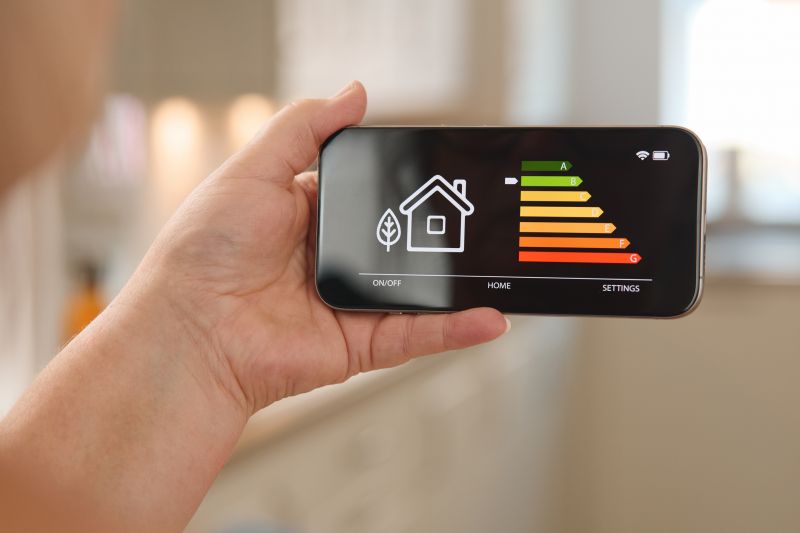
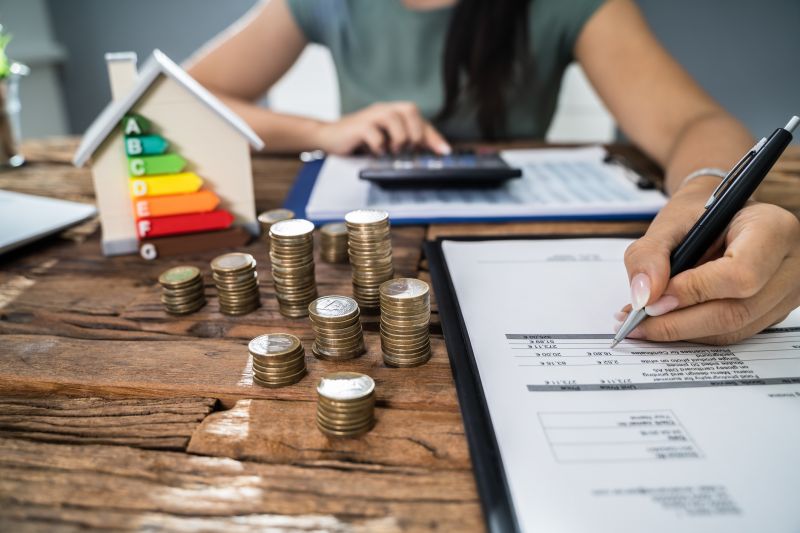
Energy assessment services involve a thorough analysis of a property's energy use and efficiency. These assessments typically include evaluating insulation levels, heating and cooling systems, windows, doors, and overall building envelope performance. The goal is to identify areas where energy is being wasted or where the property could be improved to reduce energy consumption. By pinpointing inefficiencies, homeowners can gain a clear understanding of how their property is performing and what steps might be necessary to enhance energy savings.
This service helps address common problems such as high utility bills, uneven indoor temperatures, drafts, and insufficient insulation. Many homeowners find that after an energy assessment, they discover hidden issues that contribute to increased energy costs or discomfort. The findings from an assessment can guide decisions on upgrades or repairs, ensuring investments are targeted and effective. It also provides a baseline for tracking improvements over time or making informed choices about future property enhancements.
Energy assessment services are often utilized for a variety of property types, including single-family homes, multi-family residences, and small commercial buildings. These properties typically seek assessments when experiencing rising energy costs, planning renovations, or preparing for energy-efficient upgrades. Older homes with outdated insulation or inefficient heating systems are common candidates, as well as newer properties looking to optimize their performance. The service is suitable for any property owner interested in understanding and improving their energy efficiency.
Homeowners considering an energy assessment should think about this service if they notice persistent drafts, uneven heating or cooling, or unexpectedly high utility bills. It is also beneficial when planning major renovations or upgrades, as it helps identify the most impactful improvements. Local contractors who specialize in energy assessments can provide tailored advice and practical solutions to optimize a property's energy performance. Contacting a qualified service provider can help determine the specific needs of a property and develop a plan to address any identified issues effectively.
The overview below groups typical Energy Assessment Service projects into broad ranges so you can see how smaller, mid-sized, and larger jobs often compare in your area.
In many markets, a large share of routine jobs stays in the lower and middle ranges, while only a smaller percentage of projects moves into the highest bands when the work is more complex or site conditions are harder than average.
Smaller Repairs - Typical costs for routine energy assessments and minor repairs generally range from $250 to $600. Many projects in this category fall within the middle of this range, with fewer jobs reaching the higher end for more detailed inspections.
Standard Assessments - More comprehensive energy evaluations usually cost between $600 and $1,200. These services are common for homeowners seeking detailed reports, with most projects landing in this range.
Major Upgrades - Larger projects involving extensive assessments or recommendations can range from $1,200 to $3,000. While some complex cases push beyond this, the majority of assessments stay within this band.
Full System Replacements - Complete energy system overhauls or extensive upgrades often start around $3,000 and can exceed $5,000 for very large or complex properties. Such high-end projects are less common but represent the upper range of typical costs.
Actual totals will depend on details like access to the work area, the scope of the project, and the materials selected, so use these as general starting points rather than exact figures.
Building Inspections - Professionals conduct detailed assessments of building structures to identify energy inefficiencies and areas for improvement, similar to energy audits.
HVAC System Evaluations - Local contractors analyze heating, ventilation, and air conditioning systems to optimize efficiency, paralleling energy assessment processes.
Indoor Air Quality Testing - Service providers assess indoor air quality to identify factors that affect energy use and comfort, aligning with energy efficiency evaluations.
Lighting Efficiency Assessments - Experts evaluate lighting systems to recommend upgrades that reduce energy consumption, requiring similar planning and analysis skills.
Renewable Energy System Consultations - Consultants evaluate the feasibility of solar or other renewable systems, often incorporating energy assessments into their recommendations.
Energy Management System Installations - Providers install and optimize systems that monitor and control energy use, relying on assessment data to improve efficiency.

When evaluating service providers for an Energy Assessment Service, it’s important to consider their experience with similar projects. Homeowners should inquire about how long a local contractor has been performing energy assessments and whether they have a track record of working on homes comparable in size and design. An experienced professional is more likely to be familiar with common issues and effective solutions, which can contribute to a more thorough and accurate assessment. While the site introduces homeowners to local options, it’s beneficial to focus on providers who have demonstrated expertise in this area to ensure the assessment meets expectations.
Clear, written expectations are essential when choosing a local contractor for energy assessments. Homeowners should request detailed descriptions of the services included, what the assessment process entails, and any follow-up recommendations. Having this information in writing helps prevent misunderstandings and ensures that both parties are aligned on what will be delivered. It’s also helpful to ask for a summary of the scope of work before any agreement is made, so that there are no surprises once the project begins.
Reputable references and good communication are key factors in selecting a reliable service provider. Homeowners can ask potential contractors for references from previous clients who had similar assessments performed. Contacting these references can provide insights into the contractor’s professionalism, thoroughness, and responsiveness. Additionally, choosing a local pros who communicate clearly and promptly can make the process smoother, as they are more accessible for questions and clarifications. Remember, the site’s role is to connect homeowners with qualified local contractors-it's up to the homeowner to gather this information and ensure the provider’s approach aligns with their needs.
Property owners use Energy Assessment Service services for practical projects around their homes and businesses. This guide focuses on everyday jobs and straightforward project options.
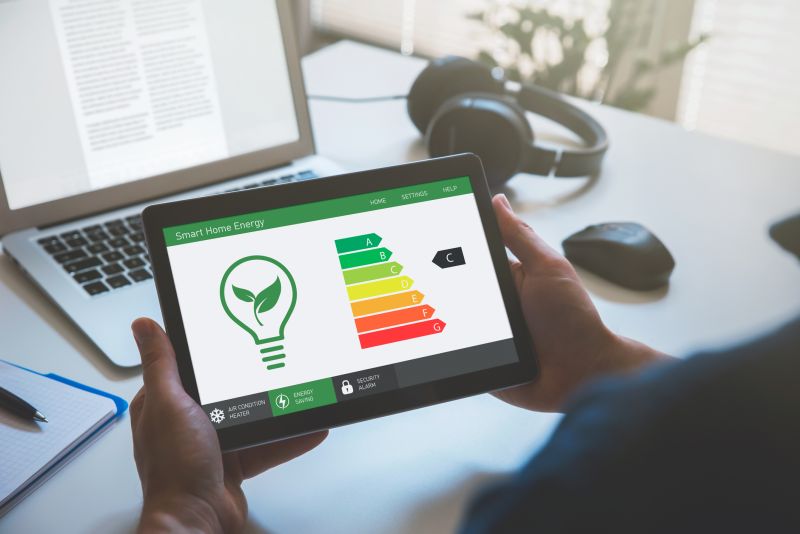
Energy assessment services are often sought after by property owners who want to identify ways to reduce energy bills and improve overall comfort. Whether it's a homeowner noticing uneven heating or cooling, or a business owner aiming to optimize energy use across a commercial space, local contractors can perform evaluations to pinpoint inefficiencies. These assessments provide valuable insights that help property owners make informed decisions about upgrades or improvements to their heating, cooling, and insulation systems.
Many property owners turn to local service providers when planning renovations or upgrades to ensure their buildings operate more efficiently. Common reasons include wanting to verify the current energy performance of a property or to prepare for future improvements. Local contractors can conduct thorough assessments to detect areas where energy may be wasted, providing clear guidance on potential improvements. This service is useful for those looking to enhance comfort, reduce costs, or simply better understand their property's energy use.
What is an energy assessment service? An energy assessment service involves evaluating a property’s energy usage to identify areas where efficiency can be improved, helping homeowners and businesses understand potential savings and upgrades.
How do local contractors perform energy assessments? Local contractors typically conduct on-site inspections, review utility bills, and analyze the building’s systems to provide recommendations for energy improvements.
What are the benefits of an energy assessment? An energy assessment can help identify energy waste, suggest cost-effective upgrades, and improve overall energy efficiency within a property.
Who can benefit from energy assessment services? Residential property owners, business owners, and property managers seeking to optimize energy use and reduce utility costs can benefit from these services.
How can I find local service providers for energy assessments? This website helps connect with local contractors who specialize in energy assessments, making it easier to compare options and choose a trusted professional.
Energy Efficiency Improvements - Property owners can identify areas where insulation or sealing can reduce energy waste and lower utility bills.
Heating and Cooling Optimization - Assessments can reveal how to improve HVAC system performance for more consistent indoor comfort.
Environmental Impact Reduction - Homeowners may use the service to find ways to decrease energy consumption and enhance overall efficiency.
Upgrade Planning - The assessment can help plan future upgrades like new windows or appliances that improve energy performance.
If you are thinking about Energy Assessment Service for a property, this guide is meant to help you understand the work, the typical project types, and how different options might fit your plans.
When you are ready, you can use the quote form on this page to share a few details about your project. From there, local pros can review the basics and respond with options that match what you have in mind.